
Do I Really Need a Workers Comp Lawyer for a Minor Injury?
Workplace accidents happen without warning. A slip on a wet floor or a strained muscle might seem insignificant. Employees brush off these incidents, assuming rest will cure the ache. They return to their duties without reporting the event. However, dismissing minor scrapes creates potential problems. Medical conditions worsen over time, revealing hidden complications. What feels like a slight twinge becomes a chronic condition requiring extensive medical care.
People question the necessity of seeking legal advice for small issues. They ask themselves if hiring a workers comp lawyer makes sense for minor incidents. The legal system appears intimidating and costly. Workers fear retaliation from employers or imagine getting bogged down in endless paperwork. Navigating the aftermath of a workplace accident requires careful consideration. Understanding the implications of minor injuries helps employees make informed decisions about their health and livelihood.
Analyzing the Severity of the Incident
Assessing physical damage after a mishap requires medical expertise. Employees lack the knowledge to diagnose soft tissue injuries or joint strains. A quick visit to a physician establishes a clear medical record. This documentation proves vital if the pain persists or escalates into a severe condition. Delaying medical attention jeopardizes both health and potential compensation. Doctors identify underlying issues hidden from the injured party.
Apparent minor injuries cascade into major medical crises. A small cut gets infected, leading to prolonged hospital stays. A minor back strain develops into a herniated disc, requiring surgery and extensive physical therapy. Employees assume a minor injury heals itself, but the human body behaves in unpredictable ways. When complications arise, insurance companies scrutinize the gap between the incident and the medical treatment.
Connecting an escalated medical condition to the original workplace event proves difficult without prompt documentation. Insurance adjusters look for reasons to deny coverage. They argue the injury occurred outside of work hours or resulted from a pre-existing condition. A workers comp lawyer anticipates these arguments and builds a robust defense. Proper documentation shields the employee from unfair denials and solidifies the connection.
Minor injuries disrupt everyday routines. Pain limits mobility and reduces productivity. Employees endure discomfort, hoping the issue resolves without intervention. Ignoring the problem exacerbates the pain and creates unnecessary suffering. A proactive approach protects the employee. Seeking medical help and documenting the event secures a path to recovery. Dismissing the severity of an incident leaves the worker vulnerable to future complications.
Recognizing the Complexity of the Claims
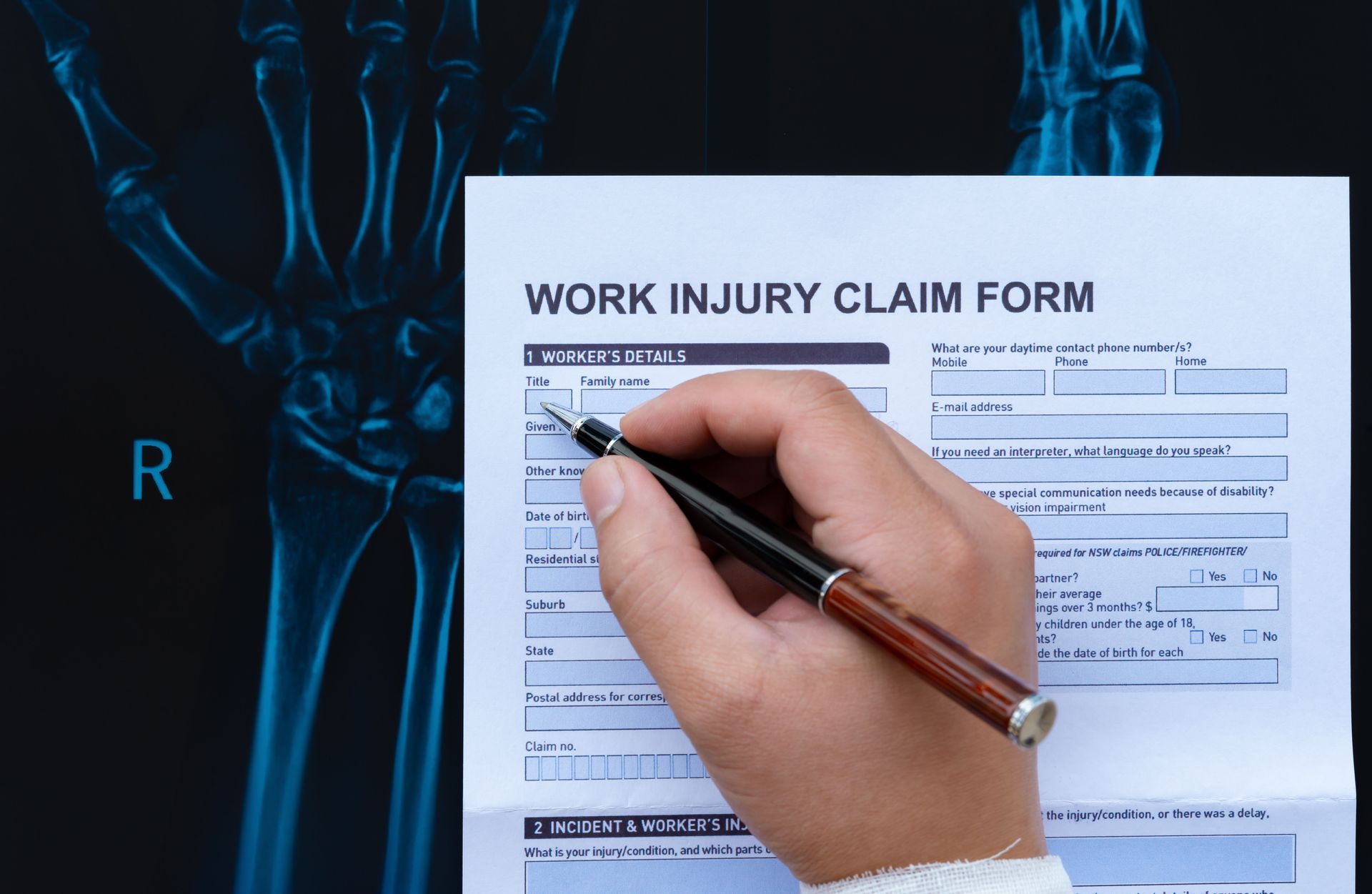
The claims process involves a maze of regulations and deadlines. Employees must navigate specific forms and submit them within strict timeframes. Missing a deadline results in an automatic denial of benefits. Employers and insurance companies understand these rules, putting the injured worker at a distinct disadvantage. The system design favors the insurance provider. The injured party bears the burden of proof.
According to Simply Insurance, almost 5 million workers' compensation claims are filed annually by both private and government employees. This volume of claims creates a massive bureaucratic machine. Adjusters handle large caseloads, prioritizing efficiency over individual care. They look for errors in paperwork to dismiss cases and save money. Injured workers face an uphill battle against a system designed to minimize payouts.
Insurance adjusters employ tactics to minimize claim value. They request recorded statements, attempting to trap the employee into admitting fault or downplaying the injury. They offer quick, low settlements to close the file before the full extent of the injury becomes apparent. A workers comp lawyer shields the employee from these aggressive tactics. Legal representation levels the playing field against large insurance corporations.
Gathering evidence demands time and effort. Employees must collect medical records, witness statements, and accident reports. This tedious work overwhelms a person dealing with physical pain. The administrative burden causes many to abandon their claims. The right guidance ensures all necessary documentation is gathered and presented compellingly. Organizing this information builds a strong foundation for a successful claim.
Overcoming the Obstacles of the Process
Disputes arise regarding medical treatment plans. Insurance companies dictate which doctors an employee can see. These company-approved physicians prioritize the employer's interests over the patient's well-being. They recommend minimal treatment or clear the employee to return to work before healing is complete. Challenging these medical opinions requires independent evaluations and expert testimony. Securing an alternate opinion strengthens the case and ensures proper medical attention.
Denied claims represent a significant hurdle. Insurance companies issue denials for various reasons, citing insufficient evidence or missed deadlines. Facing a denial letter brings frustration and anxiety. The appeals process involves complex legal procedures and strict timelines. Attempting to appeal without assistance reduces the chance of a favorable outcome. A knowledgeable advocate understands the appeals process and builds a compelling case.
Retaliation from employers remains a valid fear. Some companies create hostile work environments for employees who file claims. They cut hours, change job duties, or find reasons to terminate employment. The law protects workers against retaliation, but proving these actions requires legal expertise. A workers comp lawyer safeguards the employee's job security and pursues legal action if retaliation occurs.
Calculating the true cost of an injury involves more than medical bills. Lost wages, future medical care, and reduced earning capacity require careful assessment. Insurance companies ignore these long-term costs in their settlement offers. Accepting an early offer leaves the employee in a vulnerable financial position. Proper evaluation ensures the settlement covers all past and future expenses related to the incident.
Evaluating the Benefits of Legal Counsel
Legal professionals understand the nuances of the law. They identify potential issues and develop strategies to address them. Their experience with similar cases provides valuable insight. They know how insurance adjusters operate and anticipate their moves. This expertise proves invaluable when navigating a complex legal system. A workers comp lawyer provides an objective perspective during a stressful time.
Negotiation skills play a crucial role in securing a fair settlement. Lawyers negotiate with insurance adjusters on behalf of the injured party. They present evidence and argue for maximum compensation. Employees lack the negotiation experience to secure a favorable outcome. An experienced advocate handles all communication with the insurance company, relieving the employee of this burden.
Preparing for a hearing requires meticulous organization. If a settlement cannot be reached, the case proceeds to a hearing before a judge. This formal proceeding involves presenting evidence, questioning witnesses, and making legal arguments. The courtroom environment intimidates those unfamiliar with legal proceedings. Legal representation ensures the case is presented with competence before the judge. A well-prepared case increases the likelihood of success.
Peace of mind constitutes a significant benefit. Dealing with a workplace injury brings immense stress. Managing medical appointments, endless paperwork, and financial worries overwhelms the injured party. Handing the legal burden to a professional allows the employee to focus on healing. Knowing a capable advocate is fighting for their rights provides comfort and reassurance. Reducing stress accelerates the recovery process.
Dismissing a minor workplace incident as a temporary nuisance is a dangerous gamble. What appears to be a small ache evolves into a significant medical and financial burden. The intricacies of the legal system and the tactics employed by insurance companies create a challenging environment for injured employees. Protecting your health and your livelihood requires vigilance and a proactive approach. Understanding the risks associated with unrepresented claims highlights the value of seeking proper guidance.
The decision to seek legal counsel remains a personal choice. However, the potential consequences of handling a claim alone are substantial. From denied benefits to premature return-to-work orders, the pitfalls are numerous. Consulting a workers comp lawyer provides clarity and protects the worker's rights. Prioritizing physical recovery and financial stability ensures a secure future following a workplace incident. Taking decisive action safeguards against unforeseen complications. Reach out to Brumley Law Office to protect your rights after a workplace incident. Consulting an experienced workers comp lawyer ensures you receive the guidance needed to navigate the claims process.








Share On: