
6 Ways an Experienced Lawyer Strengthens a Workers’ Comp Claim
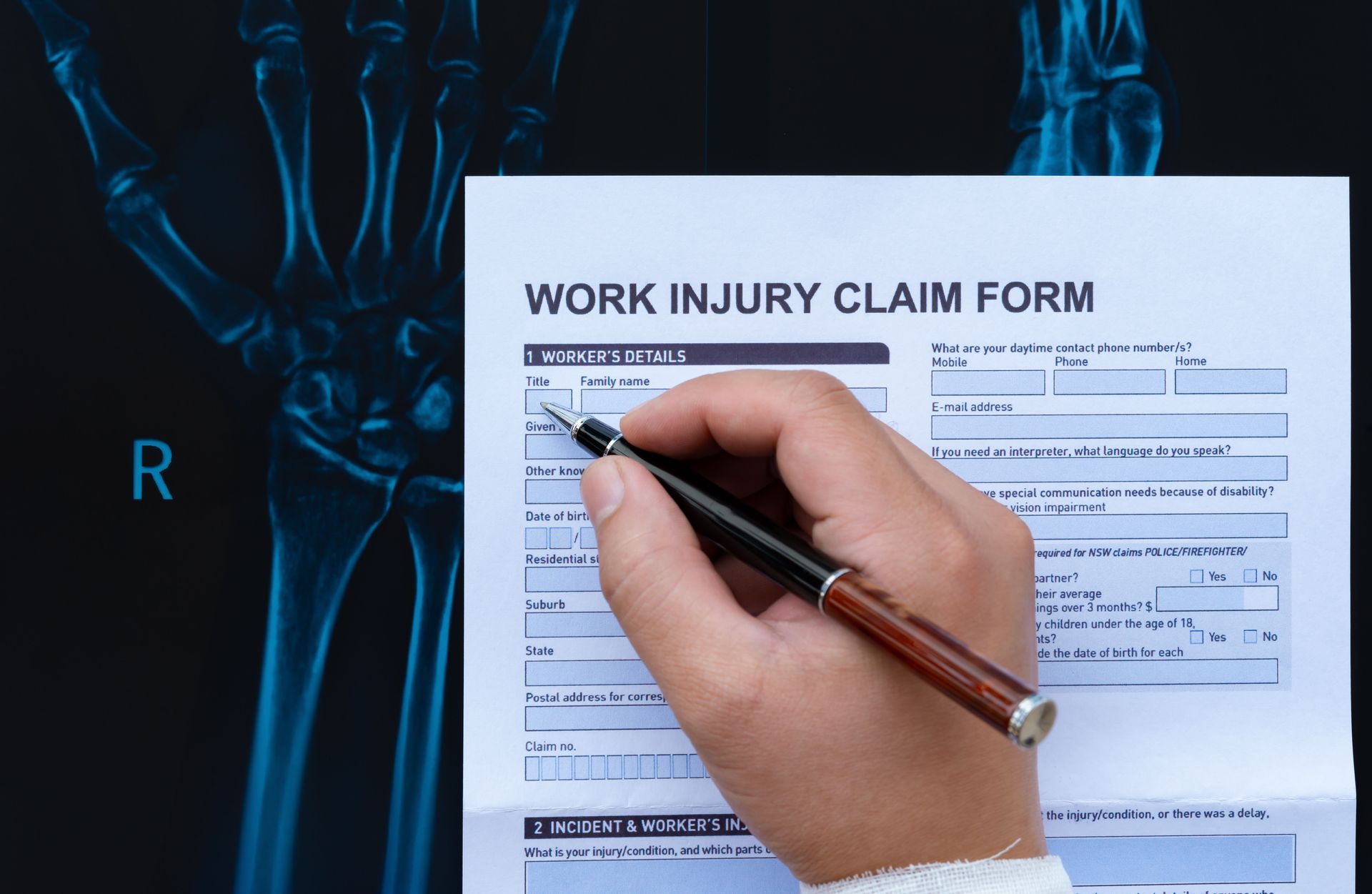
Filing a workers’ compensation claim can be complex, especially when multiple parties, strict deadlines, and insurance challenges are involved. An experienced lawyer plays a critical role in protecting your rights and strengthening your claim from the very beginning. From evaluating evidence to negotiating fair compensation, legal guidance can significantly improve outcomes. Below are five key ways a seasoned workers’ comp attorney adds value throughout the claims process.
1. Thorough Evaluation of Initial Claim
According to Simply Insurance, nearly 5 million workers' compensation claims are filed every year by both private and government employees, demonstrating the prevalence of workplace injuries and the importance of precise, well-prepared claims to ensure fair compensation. An initial claim evaluation is the cornerstone of any successful workers’ compensation case. Experienced workers comp lawyers meticulously review medical records to ensure that all injuries are adequately documented and correlated to the workplace incident. This process involves understanding medical terminology and ensuring the medical documentation aligns with the claim. The lawyer will focus on whether the medical records support the reported injuries and whether they were caused by the workplace incident.
Accident reports serve as another vital component in the initial claim evaluation. Legal professionals analyze these reports to identify inconsistencies or details that may prove useful during negotiations. Every detail in the accident report is verified and cross-referenced with other documentation. This ensures that any potential gaps in the narrative of events are addressed upfront. By doing so, they work to eliminate discrepancies that could be used to undermine the claim.
Seasoned workers comp lawyers assess witness statements with a fine-tooth comb. Ensuring that these statements corroborate with the documented events increases the credibility of the claim. Witnesses provide firsthand accounts that can either strengthen or weaken the claim, depending on their consistency with the main narrative. By reviewing these early on, lawyers prepare counterarguments to any opposing interpretations that might arise. This proactive approach also facilitates the identification of reliable witnesses for any potential litigation.
2. Comprehensive Documentation and Evidence Gathering
Assembling a comprehensive set of medical documentation forms the backbone of a robust workers’ compensation claim. This requires organizing diagnostic reports, treatment plans, and physician notes. A competent lawyer ensures that these documents are not only accurate but also accessible and well-cataloged. Proper organization aids in presenting a coherent narrative to insurance adjusters or in court. It is the lawyer’s job to verify that each piece of documentation unequivocally ties back to the workplace incident.
In addition to medical records, workers comp lawyers compile comprehensive employment records to bolster the claim. Employment records can prove critical in substantiating the work-related nature of the injury. Such documentation can include attendance records, pay stubs, and job descriptions that illustrate how the job duties contributed to the injury. Moreover, these records help quantify the lost wages or potential benefits to be claimed. Lawyers ensure that an accurate and compelling dossier is presented to add further credibility to the claim.
Documentation is not solely about paperwork; it extends to securing expert testimonies that could prove invaluable in disputed cases. Expert witnesses, particularly in fields related to ergonomics or occupational health, can provide testimony that aligns medical diagnoses with work-related activities. Lawyers often have a network of trusted experts whose testimonies can validate the severity and work-related nature of the injuries. Such expert insights provide a substantial layer of credibility that is hard for insurance adjusters or opposing counsel to discount. Thus, workers comp lawyers make judicious decisions about which experts to enlist for their clients’ benefit.
3. Effective Communication with Insurance Companies
Negotiating with insurance companies is a delicate process that experienced lawyers navigate expertly. Insurance adjusters aim to minimize payouts, making strong advocacy essential. Lawyers present cases clearly, articulating the injury’s impact and supporting it with evidence, setting the stage for fair negotiation.
They craft compelling arguments using medical records, witness statements, and expert opinions, addressing potential loopholes before insurers can exploit them. Cases are continuously updated as new evidence emerges, keeping lawyers a step ahead and reinforcing their client’s position.
Timely communication is critical during negotiations. Lawyers document all interactions, meet deadlines, and follow up proactively to keep claims moving and prevent technical setbacks. This transparency builds client trust while maintaining momentum, ultimately maximizing the chances of a favorable settlement.
4. Strategic Legal Planning and Representation
Understanding the legal intricacies of workers' compensation claims is where experienced lawyers excel. The statutory and procedural complexities can be daunting, but skilled attorneys navigate them effectively, ensuring all steps are properly executed and avoiding unnecessary legal hurdles. Their knowledge extends beyond statutes to case law and evolving interpretations, enabling them to develop robust strategies in their clients’ best interest.
Lawyers craft tailored strategies for each claim, considering unique facts and potential challenges. Whether negotiating settlements or preparing for litigation, they anticipate opposing tactics and develop effective counterarguments, optimizing the chances of a favorable outcome.
Even when many claims settle, preparation for litigation remains critical. Experienced lawyers ensure clients are ready for any scenario, equipping them to face insurers or employers if negotiations fail. By combining thorough preparation with strategic foresight, attorneys protect their clients’ rights and maximize the likelihood of full, fair compensation.
5. Maximizing Settlement Agreements
A pivotal phase of the workers’ compensation process is negotiating a fair settlement, which experienced workers comp lawyers approach methodically. Calculating accurate compensation requires understanding the client’s injuries and long-term financial impact. Lawyers review medical, employment, and economic reports to quantify compensation, considering medical expenses, lost wages, and future earning potential to ensure the settlement addresses both current and future needs.
Beyond compensation, lawyers identify all possible benefits, including rehabilitation costs, re-training expenses, and disability payments. Leveraging their knowledge of the workers’ compensation system, they ensure no benefit is overlooked, maximizing the client’s overall package.
Negotiation is where workers comp lawyers demonstrate true value. They present a well-supported case to insurers and employers, prioritizing the client’s interests while maintaining open communication. By combining detailed evidence with persuasive arguments, they strive to secure settlements that fully meet the client’s needs. Effective negotiation is a hallmark of experienced attorneys and crucial to achieving optimal outcomes.
6. Continuous Client Support and Advocacy
Continuous client support and advocacy are foundational for experienced lawyers handling workers’ compensation claims. Lawyers serve not only as legal representatives but also as emotional support for clients navigating the complex and often stressful claims process. Providing this support involves listening to concerns, offering encouragement, ensuring well-being, and helping clients manage legal and personal challenges.
Prioritizing a client’s best interests doesn’t end with securing a settlement. Lawyers remain involved, addressing ongoing concerns and advising on returning to work or exploring vocational rehabilitation if needed. By focusing on long-term well-being, lawyers enhance recovery and resolution prospects.
Ongoing case monitoring is crucial in the evolving landscape of workers’ compensation. Workers comp lawyers stay vigilant to changes in laws and precedents, keeping clients informed and making necessary adjustments. They proactively address concerns and provide solutions to unexpected issues, ensuring claims remain strong and safeguarding clients’ rights and interests.
An experienced lawyer strengthens a workers’ compensation claim at every stage, from initial evaluation to settlement negotiations and ongoing advocacy. Their ability to manage complex procedures, communicate with insurers, and maximize available benefits can make a meaningful difference in the outcome of a case. With workplace injuries continuing to impact millions of workers each year, skilled legal representation is not just helpful—it’s often essential. Partnering with an experienced workers’ comp attorney gives injured workers the clarity, protection, and leverage needed to pursue the full compensation they deserve. If you have suffered damage due to a workplace injury or you've experienced lost wages, contact the experienced workers comp lawyers at Brumley Law Offices to fight for your rights.









Share On: